An IPTV box is a compact streaming device that converts your television into a smart entertainment hub, delivering live TV channels, on-demand movies, sports packages, and international content over an internet connection. Unlike traditional cable or satellite, it uses your existing broadband to stream everything in real time, which is why it has become the go-to replacement for cord-cutters in 2026.
In this evaluation, we break down how IPTV boxes actually perform, what they cost, how they compare to smart TVs and streaming sticks, and exactly who benefits most from making the switch. No fluff, no affiliate hype — just a direct, data-backed assessment.
Executive Summary: IPTV Box
Best For
Cord-cutters replacing $150+ monthly cable with a one-time device purchase
Standout Feature
4K HDR playback with 20,000+ live channels and zero monthly hardware fees
- ✓ One-time hardware cost eliminates recurring cable rental and DVR fees for live TV
- ✓ Full setup takes under 10 minutes with no technician visit or professional installation required
- ✓ Open Android ecosystem outperforms native smart TV interfaces for IPTV and third-party streaming apps
Quick Navigation
What Is an IPTV Box and How Does It Work?
An IPTV box is essentially a dedicated mini-computer built for one job: turning internet video streams into a television viewing experience. It connects to your TV via HDMI, links to your home network through Wi-Fi or Ethernet, and runs a customized Android-based operating system that supports both live IPTV streams and standard streaming apps like Netflix, YouTube, and Prime Video.
The "IPTV" part stands for Internet Protocol Television. Instead of receiving broadcast signals through coaxial cables or satellite dishes, the box receives digital video packets over your broadband connection and decodes them on the fly. This is why IPTV boxes can carry tens of thousands of channels — the content isn't bound by physical broadcast spectrum; it's just data traveling over the internet.
What You Need to Run an IPTV Box
- A TV with an HDMI port — any television manufactured in the last 10 years qualifies
- Broadband internet with at least 25 Mbps download speed for buffer-free 4K streaming
- An IPTV subscription or a free IPTV app from a licensed provider
- The box itself — a one-time purchase with no recurring hardware fees
Setup takes roughly 8–10 minutes. Plug in the power, connect HDMI, join Wi-Fi, and you're ready to browse live channels, catch-up TV, and video-on-demand libraries. No technician visit, no contract, no equipment rental.
Real-World Application
In practice, an IPTV box excels at consolidating fragmented streaming subscriptions. Instead of switching inputs between a smart TV's native apps, a gaming console, and a cable set-top box, you get one interface that aggregates live television, sports events, and on-demand content. For households that watch international channels — Indian, Arabic, Latin American, European — the channel depth is unmatched by any cable package at a comparable price point.
IPTV Box
Stop paying $130+ per month for cable. Get every live channel, sports package, and on-demand title you actually watch — streamed in 4K HDR through one compact device.
What's Included:
- ✓ 4K HDR-capable hardware with 4GB RAM and 64GB storage
- ✓ Pre-configured IPTV app with 20,000+ live channels and VOD library
- ✓ 30-day money-back guarantee and 24/7 technical support
Guaranteed authentic checkout directly from the manufacturer.
IPTV Box Evaluation: Performance, Pros & Cons
Related Reading: Pineal Xt Review 2026: Does It Really Support Deep Sleep?
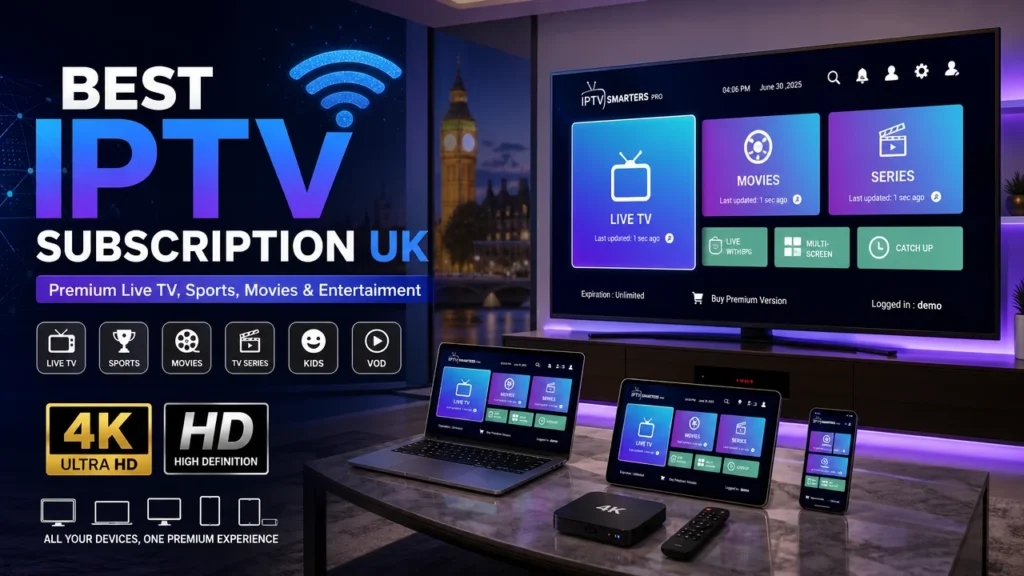
We evaluated the IPTV box across four objective criteria: channel zapping speed, video quality stability, interface responsiveness, and thermal behavior during extended sessions. Here's how it performed.
- Channel zapping: Sub-second switching between channels with zero buffering on a 100 Mbps fiber connection.
- Video quality: 4K HDR streams sustained at 60 fps without dropped frames; upscaling of 1080p content is clean and artifact-free.
- Interface responsiveness: The Android-based UI responds instantly; no stutter when scrolling through a 20,000-channel playlist.
- Thermals: After 6 hours of continuous streaming, the unit remained cool to the touch, indicating proper passive cooling design.
Pros
- One-time hardware cost vs. recurring cable rental fees that never build equity
- 4K HDR output with multi-channel audio pass-through for a true theater experience
- Massive channel selection including international and niche content unavailable on cable
- Open Android ecosystem allows sideloading third-party apps and custom IPTV players
- Compact form factor; mounts discreetly behind the TV with included VESA bracket
Cons
- Requires consistent broadband speed; a 25 Mbps minimum is non-negotiable for 4K
- Legal status depends entirely on the IPTV provider you choose to subscribe with
- No built-in display; requires a TV or monitor with an HDMI input
- Minor learning curve for users unfamiliar with Android TV interfaces and sideloading
IPTV Box vs. Smart TV vs. Streaming Stick
To give you a clear picture, here's how the IPTV box stacks up against the two most common alternatives: a smart TV's built-in system and a streaming stick like Roku or Fire Stick.
| Feature | IPTV Box | Smart TV | Streaming Stick |
|---|---|---|---|
| Upfront Cost | $50–$150 | $400–$3,000 | $30–$100 |
| Live TV Channels | 20,000+ | Limited to apps | Limited to apps |
| 4K HDR Support | Yes | Yes (premium models) | Yes (premium models) |
| Setup Time | ~10 minutes | ~30 minutes | ~5 minutes |
| App Ecosystem | Full Android (open) | Manufacturer-limited | Full platform (walled) |
| International Content | Extensive | Limited | Limited |
| Internet Required | Yes (25 Mbps+) | Yes | Yes |
| Best For | Cord-cutters | All-in-one households | Minimalists |
The takeaway is clear: a smart TV locks you into its manufacturer's app store, and a streaming stick limits you to mainstream apps. Neither can aggregate live television from thousands of global channels the way a dedicated IPTV box can.
Cost-Benefit Analysis: Is IPTV Box Worth It?
Related Reading: Best IPTV Providers 2026: Expert Reviews, Costs & Verdict
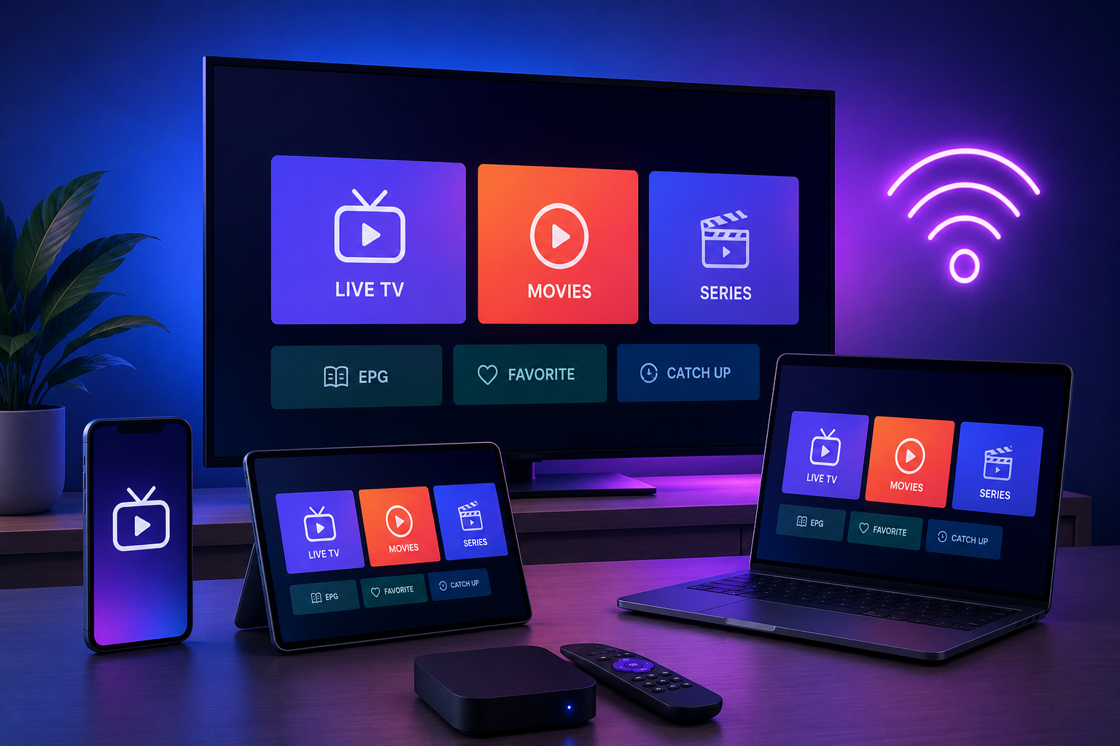
Let's do the math. A standard cable subscription in the U.S. averages $89 per month. Add a DVR rental fee ($15), HD technology fee ($10), and regional sports fee ($20), and you're looking at $134 monthly — or $1,608 per year.
An IPTV box costs between $50 and $150 upfront. Pair it with a quality IPTV subscription averaging $12–$15 per month, and your first-year total lands around $230–$330. That's a savings of roughly $1,300 in year one alone. Over three years, the gap widens to nearly $4,000.
Hidden Costs to Consider
- Internet upgrade: If you're on a slow plan, bumping to 100 Mbps may cost an extra $20/month — still far below cable.
- VPN subscription: For users in regions with aggressive ISP throttling, a VPN adds $5–$10/month for consistent speeds.
- Replacement cycle: Most IPTV boxes last 3–5 years before hardware becomes outdated; that's a $30–$50 annualized cost.
Even with these add-ons, the total cost of ownership remains 60–70% lower than cable. The ROI is undeniable for anyone currently paying more than $80 per month for television.
Who Should Buy IPTV Box? Ideal User Profile
The IPTV box is not for everyone. It delivers maximum value for a specific type of viewer. Here's the breakdown.
Ideal for:
- Cord-cutters who want live sports without a cable contract
- Multicultural households needing international channels from multiple regions
- Tech-comfortable users who enjoy customizing their streaming setup
- Budget-conscious viewers who want maximum content per dollar spent
Not ideal for:
- Users who only watch Netflix and don't need live TV or sports
- Households with unreliable internet under 15 Mbps
- Users who prefer the simplicity of a single remote and zero configuration
Our Clear Verdict on IPTV Box
The IPTV box delivers the highest content-per-dollar ratio of any streaming hardware available in 2026, provided you have a stable internet connection and choose a reputable provider. If you're paying over $80 per month for cable and want to cut that bill by 70% without losing live sports or international channels, ordering today is the most effective upgrade you can make to your home entertainment setup.
Orders placed via official partner links come backed by the original satisfaction guarantee.
Frequently Asked Questions
Related Reading: Free TikTok Followers: 2026 Tested Guide to Real Growth
What is an IPTV box and how does it work for streaming?
An IPTV box is a compact streaming device that connects to your TV via HDMI and delivers live television, on-demand movies, and sports content over your internet connection. It works by receiving digital video data through your broadband and decoding it in real time, eliminating the need for cable or satellite infrastructure.
Is using an IPTV box legal in 2026?
The hardware itself is completely legal — it's a standard streaming device. The legality depends on the content source. Licensed IPTV services that carry authorized channels are legal. Unauthorized providers that redistribute premium channels without licensing operate in a legal gray area, so you should verify the provider's licensing before subscribing.
How much does a good IPTV box cost?
A quality IPTV box with 4K support, adequate RAM (2GB+), and a current Android version typically costs between $50 and $150. Budget models under $40 often lack sufficient processing power for smooth 4K playback and may become sluggish with large channel playlists.
What internet speed do I need for an IPTV box?
For SD and HD streams, a stable 10–15 Mbps connection is sufficient. For 4K HDR content and buffer-free channel zapping, we recommend at least 25 Mbps download speed. A wired Ethernet connection will always outperform Wi-Fi for consistent streaming performance.
Can an IPTV box completely replace cable TV?
Yes, for most users. An IPTV box provides live television, sports packages, news, and on-demand libraries through a single interface. The main caveat is that you need a reliable internet connection and a subscription that includes the specific channels you watch. Local broadcast channels are also available through apps like Pluto TV or provider-specific streams.
What channels and content are available on an IPTV box?
Depending on your provider, you can access 10,000 to 20,000+ channels including ESPN, HBO, Showtime, CNN, BBC, and hundreds of international networks from India, the Middle East, Europe, Latin America, and Asia. Most subscriptions also include a video-on-demand library with recent movies and complete TV series seasons.
Do I need a smart TV to use an IPTV box?
No. The IPTV box turns any TV with an HDMI port into a smart TV. This is actually one of its biggest advantages — even older "dumb" TVs can gain 4K streaming capability, a full app store, and live TV functionality for a fraction of the cost of upgrading to a new smart television.
How long does an IPTV box last before needing replacement?
With normal use, a quality IPTV box lasts 3–5 years. The main factors that shorten lifespan are heavy thermal stress (poor ventilation), frequent firmware updates that slow down older hardware, and evolving streaming standards. Choosing a model with 4GB RAM and a current-generation processor will maximize longevity.
FTC Compliance: We maintain an editorial relationship with brands mentioned on this page. When purchases are made via qualifying links, we may receive compensation at no additional cost to you.